Mechanical vs. Automatic vs. Quartz Watch: What’s the Difference?
Discover the timeless charm of Mechanical Watch and Automatic Watch, and explore what makes each one unique.
In the world of watches, what makes a timepiece truly memorable is not always its appearance, but also the story and craftsmanship hidden within. For collectors, even subtle differences in movement, design, and functionality can shape the way a watch is appreciated. A timepiece is more than an instrument for telling time; it is a piece of craftsmanship that reflects the ideas, artistry, and history of its era.
Before choosing your next timepiece, understanding the fundamentals of Mechanical, Automatic, and Quartz is an important step toward discovering the world of watch collecting and appreciating what makes each movement unique.
What Is a Mechanical Watch?
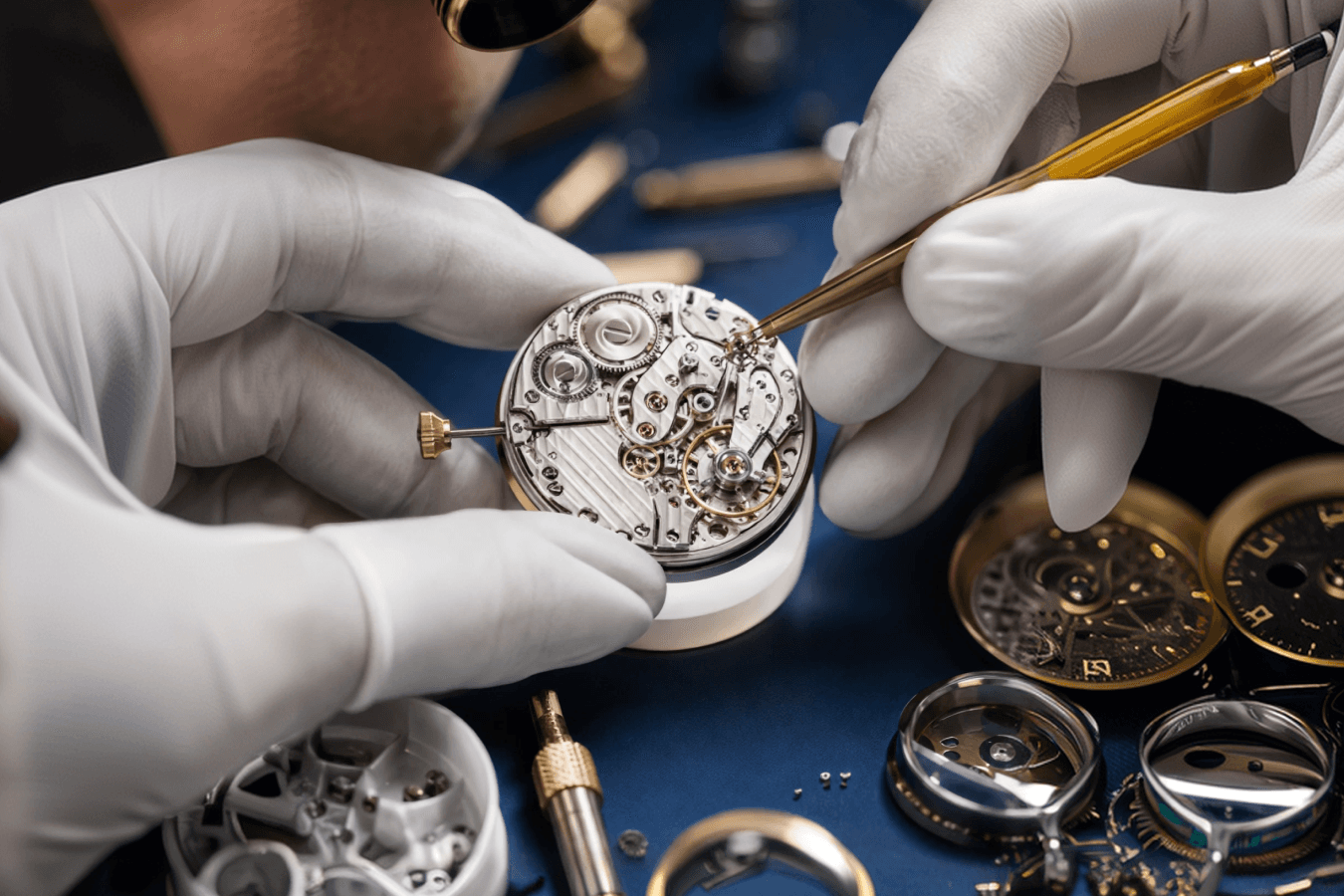
A Mechanical Watch is powered by a mainspring that stores energy and gradually releases it to drive the movement. Unlike a quartz watch, it does not rely on a battery. In a traditional mechanical watch, the wearer turns the crown by hand to wind the mainspring, storing energy that allows the watch to continue running.
Once wound, the mainspring slowly releases its stored energy, which is transferred through a series of components to power the movement and hands. Inside the case, numerous small parts work together continuously, from delivering energy through the movement to regulating the rhythm at which the watch keeps time. What appears to be a simple movement of the hands across the dial is, in fact, the result of a carefully coordinated mechanical system.
In simple terms, the key components serve the following functions:
- Mainspring — Stores the energy generated by winding the watch.
- Gear Train — Transfers energy through the movement and drives the hands.
- Escapement — Controls the release of energy in precise intervals.
- Balance Wheel — Regulates the rhythm of the movement and helps maintain consistent timekeeping.
Once the energy stored in the mainspring is depleted, the watch will stop and needs to be wound again. The length of time a fully wound mechanical watch can continue running is known as its Power Reserve.
What makes a mechanical watch special is therefore not only the complexity of its movement, but also the experience of wearing and interacting with it. Winding the crown by hand can become part of a daily ritual, creating a more personal connection between the wearer and the timepiece.
For those who appreciate traditional watchmaking, fine details, and the craftsmanship behind a movement, winding the crown is more than a necessary step. It is part of the character and charm that sets a mechanical watch apart.
What Is an Automatic Watch?
An Automatic Watch is based on the same mechanical principles, but with one important addition: an automatic winding system that allows the mainspring to be wound through the movement of the wearer.
At the heart of this system is the Rotor, a component that moves as the watch is worn. As the wearer moves their wrist, the rotor turns and transfers energy into the winding mechanism, helping to keep the mainspring charged.
The difference can be understood simply:
- Mechanical — The wearer manually winds the crown to store energy.
- Automatic — The movement of the wrist helps wind the mainspring.
This makes an automatic watch particularly convenient for everyday wear. Walking, moving the arm, and carrying out daily activities can help keep the movement powered. However, automatic does not mean that the watch will run indefinitely. If it is left unworn for an extended period, the stored energy in the mainspring will eventually run out, and the watch may stop.
There are three key points to understand about an automatic watch:
- Rotor — Converts the movement of the wrist into energy for winding the mainspring.
- Power Reserve — Indicates how long the watch can continue running without receiving additional energy.
- Wearing Time — If the watch is not worn for long enough, it may eventually stop when its stored energy is depleted.
The appeal of an automatic watch lies in the balance between traditional mechanical watchmaking and everyday convenience. It retains the craftsmanship and character of a mechanical movement while reducing the need for manual winding, making it a natural choice for those who enjoy wearing a mechanical timepiece as part of their daily routine.
What Is a Quartz Watch?
While Mechanical and Automatic watches are powered by a mainspring, a Quartz Watch operates on a different principle. It uses a battery as its power source and a Quartz Crystal to regulate the measurement of time.
When the battery sends an electrical current through the quartz crystal, it vibrates at a highly consistent frequency. These vibrations are then used to regulate the movement of the watch and maintain accurate timekeeping.
Simply put, a quartz watch does not rely on stored energy in a mainspring and does not require the movement of the wrist to keep it running.
Its key advantages come from its straightforward approach to timekeeping:
- Battery Powered — Uses a battery as its primary source of energy.
- No Manual Winding — Does not require the crown to be wound by hand.
- No Wrist Movement Required — Continues to operate without being worn.
- Convenient to Use — Can be left unworn for several days and still be ready to use, without the power reserve considerations of a mechanical movement.
With its straightforward operation, quartz is well suited to those who value simplicity and convenience in everyday wear. While its technology differs significantly from mechanical watchmaking, quartz watches have a character and appeal of their own, offering a different approach to experiencing and enjoying a timepiece.
Mechanical, Automatic, or Quartz: Which Is Right for You?
Once you understand how the three systems work, it becomes clear that there is no single movement that is best for everyone. Each one offers a different experience and suits different preferences.
- Mechanical — Ideal for those who enjoy being involved with their timepiece. The ritual of manually winding the watch can become a meaningful part of the wearing experience.
- Automatic — Well suited to those who want greater convenience while still appreciating the craftsmanship of a mechanical movement. Everyday wrist movement can help keep the watch powered.
- Quartz — A practical choice for those who value simplicity and convenience. It does not require manual winding or regular wear to maintain its power.
The more important question, then, may not be “Which one is the best?”, but rather “Which one best suits the way you want to experience a watch?”
Step Into the World of Watches at Bangkok Watch Week 2026
Discovering the world of watches goes far beyond understanding the differences between Mechanical, Automatic, and Quartz. There is so much more to explore, from design and craftsmanship to the ideas behind each creation, as well as the stories and culture that connect people with the timepieces they collect.
Bangkok Watch Week 2026 offers an opportunity to go beyond the fundamentals and experience the wider world of watchmaking. Taking place from 22–27 September 2026 at Siam Paragon, the event brings together those who are curious about watches, passionate collectors, and enthusiasts who want to explore the stories and ideas behind the timepieces they admire.
Whether you are just beginning to discover watches, already building a collection, or deeply involved in the watch community, Bangkok Watch Week 2026 offers a space to learn, explore, and exchange perspectives across different aspects of the watch world.
Ultimately, choosing a timepiece is about more than its movement or functionality. It can also be about its design, story, craftsmanship, and the connection you feel with it. And sometimes, discovering what makes a particular watch meaningful is what makes the journey of collecting so rewarding.
