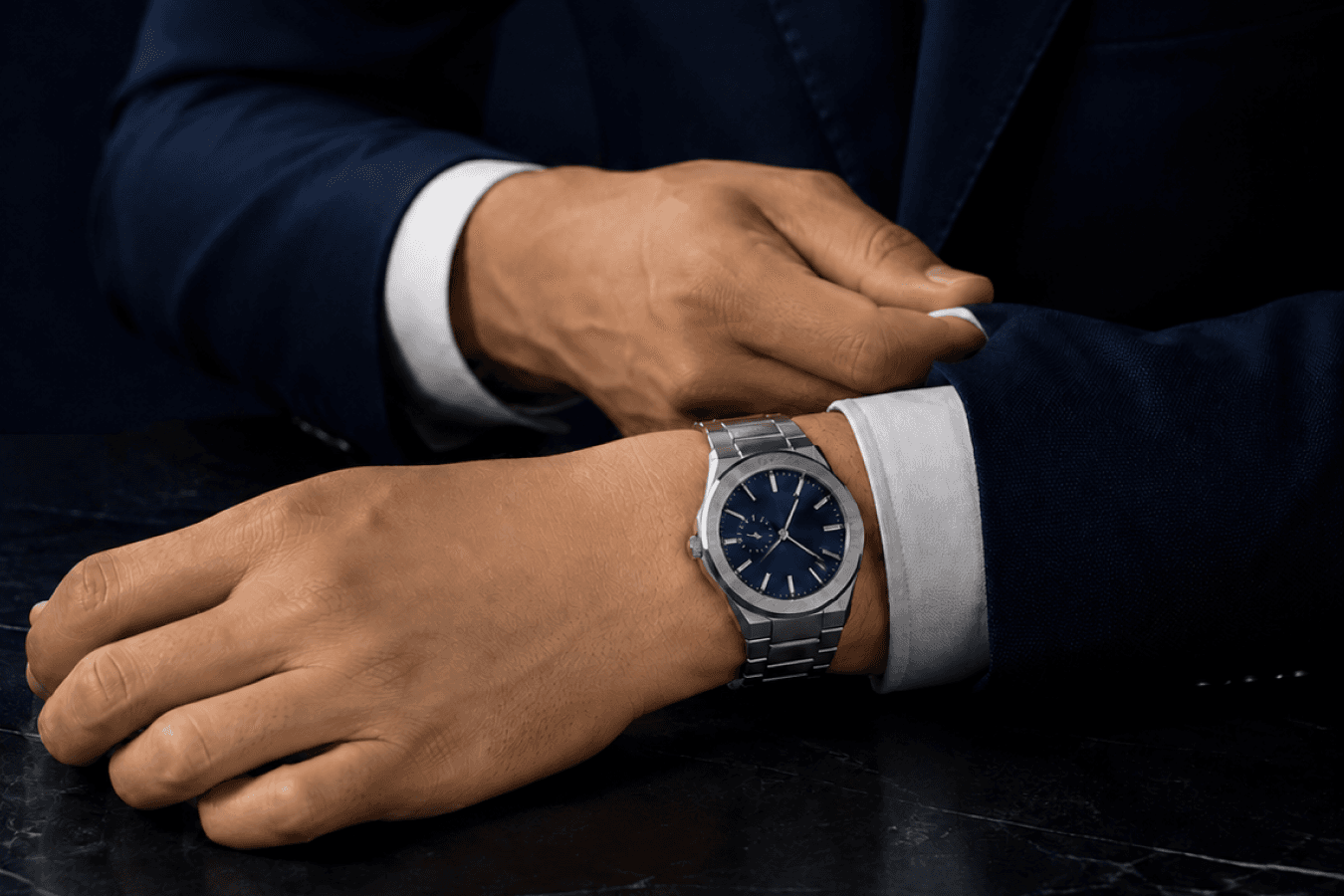
Wristwatch History: A Journey Through Luxury Watchmaking
Explore Luxury Watches through the evolution of the wristwatch. Learn about craftsmanship, movements, design, and heritage. See how they still shape fine watchmaking today.
Today, we can check the time almost anywhere, from smartphones to digital devices around us. A watch may no longer be essential for simply telling the time. Yet, the Wristwatch continues to hold meaning beyond its practical purpose. Behind every watch lies knowledge and craftsmanship developed over generations. This includes its precise movement, the design of its case and dial, and the small details that give each watch identity. Many ideas from the past still show in watches today, and new technology and lifestyles still shape their evolution.
The story of Luxury Watchmaking, therefore, is more than a history of timekeeping. It is an evolution of craftsmanship, mechanics, and design. It has transformed the wristwatch into an expression of precision, style, and character.
Wristwatch: From Its Origins to the Luxury Watch
The wristwatch began to take a more familiar form in the late 19th century. It became more popular in the early 20th century. Before then, personal timepieces commonly took the form of the Pocket Watch, particularly among men. Early watches worn on the wrist often resembled jewellery and were more commonly associated with women.
One key reason behind the growing popularity of the Wristwatch was convenience. People could check the time directly from their wrist without taking a watch out of a pocket. As lifestyles and working environments changed, watchmakers began developing wristwatches more seriously, focusing on accuracy, durability, and designs suited to everyday wear.
As the Wristwatch became part of everyday dress, it also began to serve a purpose beyond telling time. Different brands could create their own identities through the design of cases, dials, hands, and other details. Watchmakers’ skills and precise work became very important. Each watch gained its own character and value. It became more than a tool for telling time.
These developments laid the foundation for the Luxury Watch as we know it today. Luxury came to represent more than appearance or precious materials. It also showed the quality of production, the complex and precise movements, and a distinctive design. These qualities are still central to luxury watches today.
Craftsmanship: At the Heart of Luxury Watchmaking
As the Wristwatch became more popular, watchmaking evolved alongside it. Early development focused heavily on accuracy and durability. Over time, greater attention went into movements, materials, finishing, and the finer details of production.
This evolution made craftsmanship one of the defining qualities of a Luxury Watch. It can be seen across several important elements:
- Movement – The evolution of watch movements: Watchmaking evolved from hand-wound mechanical movements. It later moved to automatic movements. These use wrist motion to help wind the watch. Movements also became thinner, more precise, and capable of supporting increasingly sophisticated functions.
- Finishing – requires attention to detail. It can involve polishing cases and movement parts. It can also include creating different surface textures. You may add small decorative details too. Many of these processes require precision and highly developed watchmaking skills.
- Dial & Details – Creating a distinctive character: Dials, hands, hour markers, and other small parts have evolved. New shapes, materials, and production methods made this possible. Together, these elements help create a distinct character for each Wristwatch.
- Materials – From tradition to innovation: Precious metals have long played a role in luxury watches. Modern watchmaking has expanded this range with new materials that offer different qualities in durability, weight, performance, and design.
These developments show why Luxury Watchmaking is about more than visual beauty. It brings together technical skill, craftsmanship, precision, and close attention to detail. These qualities still define the Luxury Watch today.
Design: From Function to the Character of Luxury Watches
The design of the Wristwatch has changed alongside the way people live. Watches evolved from elegant accessories for formal dress into designs created for sports, travel, aviation, outdoor activities, and a wide range of lifestyles. Over time, these different purposes helped establish recognisable watch characters that continue to influence Luxury Watch design today.
- 1920s–1930s | Classic Luxury – The Elegance of the Dress Watch
As the wristwatch became an important part of personal style, designers focused on balance. They made slimmer cases. They used clean, simple dials. These qualities helped shape the foundation of the Dress Watch. Luxury in a Dress Watch did not depend on bold design. Instead, it came through refinement, careful proportions, and subtle details that created an elegant overall appearance. - 1940s–1990s | Functional Luxury – Different Characters for Different Uses
As travel, sports, aviation, and outdoor activities became increasingly important, function began to influence Wristwatch design more directly. Easy-to-read dials, stronger cases, water resistance, and travel-ready functions helped define key styles. These include Pilot, Diver, GMT, and Sports watches. Over time, many of these functional designs entered luxury watchmaking through refined materials, production methods, and finishing. - 2000s–Present | Modern Luxury – Many Expressions of Luxury
Today, there is no single design that defines a Luxury Watch. The Dress Watch still shows classic elegance, while Sports and Diver Watches are now well established in luxury. Jewellery Watches also bring together Watchmaking and Fine Jewellery. At the same time, many watchmakers continue to reinterpret historical designs through contemporary materials, proportions, movements, and production techniques.
Heritage: How History Creates Value in Luxury Watches
The history of the Luxury Watch is not simply about when a watch or style first appeared. It also reflects the knowledge, techniques, and design ideas that have developed over time. Together, these elements form a heritage that continues to create value in modern luxury watchmaking.
- Signature Design – Creating a Recognisable Identity
A case shape, a dial layout, or even a small design detail can become part of a recognisable identity. When these elements develop consistently over time, designs from decades ago can continue to influence modern Wristwatch collections. Brands may update certain details for contemporary preferences while maintaining the character of the original design. - Watchmaking Expertise – Knowledge Built Over Time
The development of movements, assembly methods, and finishing techniques requires specialised knowledge. Skills built over many years can form clear expertise. This is especially true for tasks that still rely on skilled watchmakers. Their experience and precision remain essential. - Iconic Collections – Connecting the Past and Present
Some watch collections have evolved over decades. Changes in size, materials, motion, and details let classic designs evolve with the changing world of luxury watches. This connection between past and present allows a familiar design language to remain relevant without remaining unchanged. - Modern Interpretation – Bringing Heritage into the Present
Preserving heritage does not mean simply reproducing the past. Traditional elements can take on new forms through modern materials, technology, and contemporary design. This approach allows a watch to evolve while maintaining a character connected to its origins.
Discover Luxury Watches at Siam Paragon
From the first wristwatches to today’s luxury watches, watchmaking has kept evolving. It advances through craftsmanship, movements, materials, and design. This evolution has created the many characters and identities that distinguish watches and collections today.
Siam Paragon Bangkok Watch Week 2026 offers a closer look into the world of Luxury Watches, bringing together more than 45 leading global watch brands, along with CEOs, brand executives, Master Watchmakers, collectors, and Watch Communities from around the world. The event will feature perspectives on watchmaking, craftsmanship, design, and the ideas behind each timepiece, alongside a variety of Watchmaking activities and experiences. The event will take place from 22–27 September 2026 at Siam Paragon.
